
Saving energy at home is one of the most effective ways homeowners can reduce monthly expenses while creating a more comfortable living environment. From small daily habits to thoughtful home improvements, finding ways to save energy does not require sacrificing comfort. With a clear understanding of where energy is used and where it is often wasted, homeowners will make informed choices that deliver long-term benefits.
Why It’s Important to Save Energy at Home
Energy use directly affects household expenses, comfort levels, and a home’s overall performance. When energy is wasted through air leaks, inefficient systems, or outdated appliances, heating and cooling equipment must work harder to maintain consistent temperatures. Learning how to save energy helps reduce strain on these systems, extends their lifespan, and supports a more efficient home overall. Over time, even modest improvements will lead to noticeable savings.
Save Energy by Improving Insulation and Air Sealing
One of the most effective ways to save energy is by addressing air leaks and insulation gaps. Warm or cool air escaping through attics, crawl spaces, windows, and doors forces HVAC systems to run longer than necessary. Sealing these gaps helps stabilize indoor temperatures and improve overall comfort. Proper insulation also plays a significant role in preventing energy loss, especially in older homes where materials may have deteriorated over time.
Efficient Heating and Cooling Practices
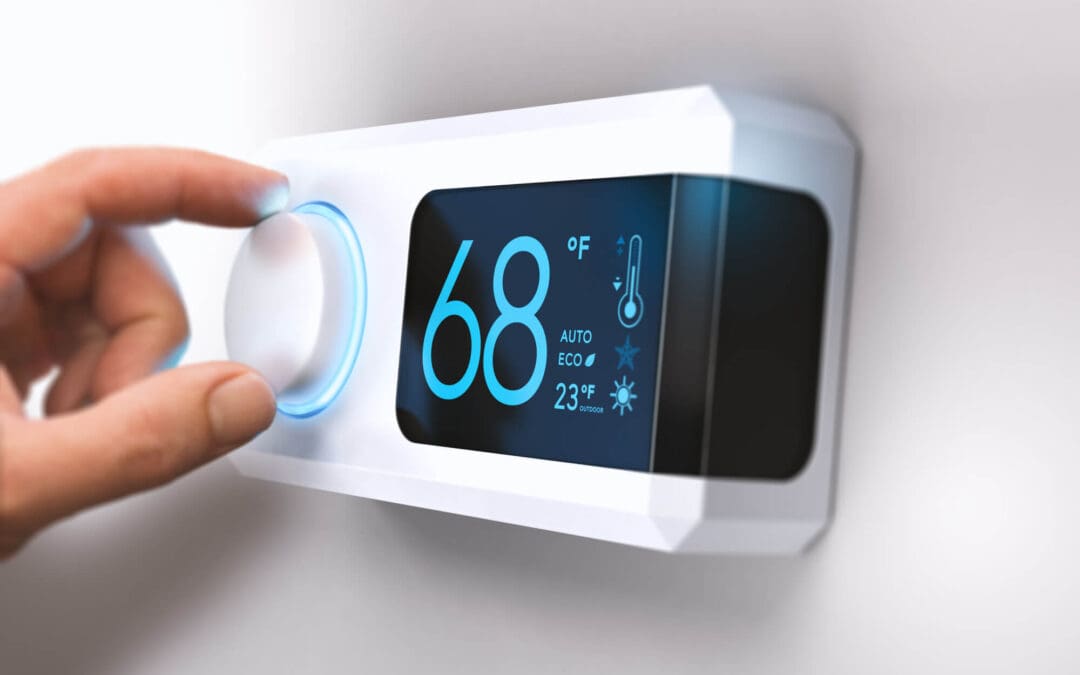
Heating and cooling account for a large portion of household energy use. By maintaining HVAC systems, changing air filters regularly, and using programmable or smart thermostats you will save on energy. Setting temperature schedules that align with daily routines reduces unnecessary energy consumption. Even small adjustments, such as lowering the thermostat slightly in winter or raising it in summer, could lead to meaningful savings.
Save Energy Through Smart Appliance Use
Appliances and electronics account for a significant share of energy consumption. Choosing energy-efficient models, running full loads, and unplugging devices when not in use all help save energy. Older appliances often use far more electricity than modern alternatives, making upgrades a worthwhile investment over time. Paying attention to how and when appliances are used helps homeowners reduce waste without disrupting daily routines.
Save Energy with Lighting and Everyday Habits
Lighting is another area where simple changes make a difference. Switching to LED bulbs, turning off lights in unused rooms, and maximizing natural light are easy adjustments. Everyday habits, such as washing clothes in cold water or air-drying when possible, also contribute to lower energy use. Consistent, mindful behavior plays a vital role in overall efficiency.
Long-Term Home Improvements
For homeowners planning long-term upgrades, improvements such as energy-efficient windows, improved insulation, and modern HVAC systems can significantly reduce energy consumption. While these projects require upfront investment, they often pay off through lower utility bills and improved comfort. Evaluating a home’s energy performance helps prioritize upgrades that deliver the greatest return on investment.
Building an Energy-Smart Home
Learning how to reduce energy consumption is an ongoing process rather than a one-time task. As homes age and technology evolves, opportunities for improvement continue to emerge. By combining efficient systems, thoughtful upgrades, and consistent habits, homeowners will create a home that is more comfortable, cost-effective, and resilient.
Saving energy at home benefits more than just monthly budgets. It improves comfort, protects home systems, and supports smarter, more sustainable living for years to come.
Homebuyer’s Inspection Service offers professional home inspection services in Dallas-Fort Worth and the surrounding areas. Contact us to request an appointment.