
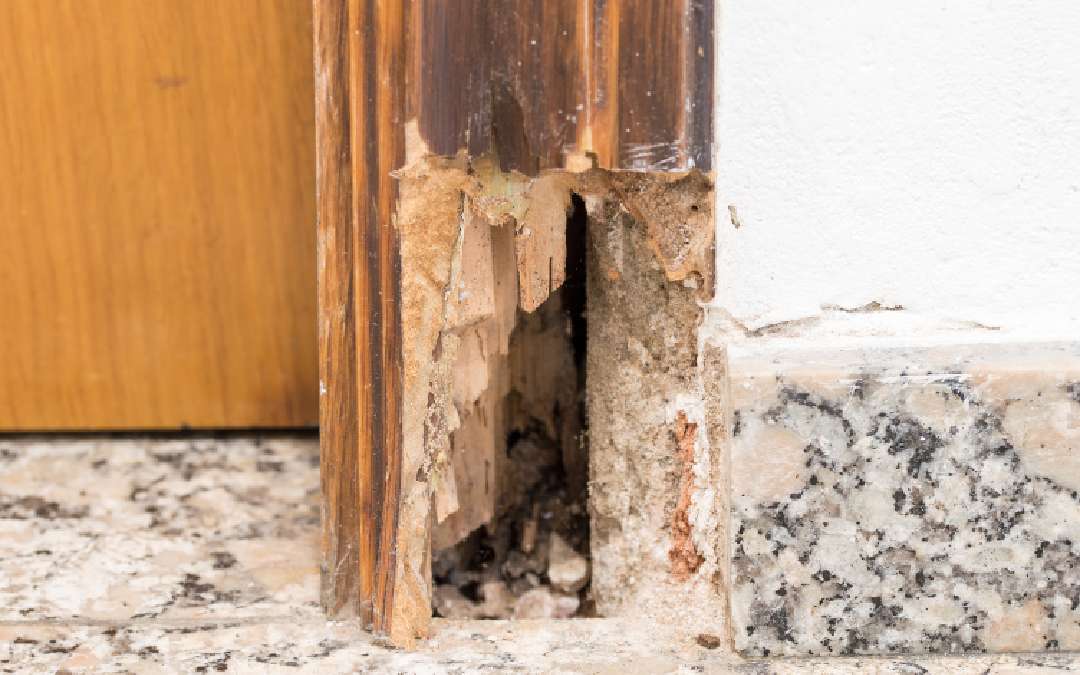
Wood-destroying insects are one of the most serious and underestimated threats a homeowner can face. These pests work silently and often invisibly, compromising the structural integrity of a home long before the damage becomes apparent. Understanding what they are, what to look for, and how to prevent them is one of the most important steps a homeowner can take to protect their investment.
Understanding the Threat of Wood-Destroying Insects
The most common wood-destroying insects include termites, carpenter ants, powderpost beetles, and carpenter bees, each with different behaviors but a shared ability to cause serious structural damage over time. Termites are typically the most destructive because they consume wood from the inside out, making damage nearly impossible to detect until it’s already significant. Carpenter ants don’t eat wood but tunnel through it to build nests, weakening structural members in the process. Powderpost beetles leave behind fine, sawdust-like powder as they bore through wood, while carpenter bees drill into exterior wood surfaces to lay their eggs.
Why the Damage Often Goes Unnoticed
What makes wood-destroying insects particularly dangerous is how gradually they work. By the time damage becomes visible, such as sagging floors, weakened beams, compromised framing, the infestation has often been active for months or even years.
Warning Signs Every Homeowner Should Know
Catching wood-destroying insects early requires knowing what to look for. Small holes or tunnels in wooden surfaces, hollow-sounding wood when tapped, and piles of fine sawdust-like material are all red flags. Discarded wings near windows or doors, a telltale sign of a termite swarm, and bubbling or peeling paint that mimics water damage are other common indicators. Doors or windows that suddenly become difficult to open may signal structural shifting caused by weakened wood underneath. None of these signs should be dismissed as minor maintenance issues. The sooner an infestation is identified, the less damage it will cause and the less expensive it will be to address.
Preventing Wood-Destroying Insects Before They Move In
Prevention is consistently the most effective and affordable approach. Moisture control is critical, many of these pests are drawn to damp environments, so fixing leaks, improving drainage, and maintaining proper ventilation reduces their appeal significantly. Storing firewood away from the home’s foundation, sealing cracks and gaps in exterior walls, and keeping wooden structures well-maintained all eliminate common entry points.
When to Call a Professional
Regular inspections, both self-directed and professional, are equally important. For areas where wood-destroying insects are particularly common, scheduling annual professional inspections provides an additional layer of assurance. When a more serious infestation is suspected, professional intervention is strongly recommended. Pest control experts can accurately identify the species, assess the extent of the damage, and implement targeted treatment solutions that DIY methods simply can’t match.
A well-maintained, dry, and properly sealed home is your best defense against wood-destroying insects. With the right awareness and consistent upkeep, homeowners can protect their property from one of the most damaging and most preventable threats in residential real estate.
Homebuyer’s Inspection Service offers professional home inspection services in Dallas-Fort Worth and the surrounding areas. Contact us to request an appointment.