
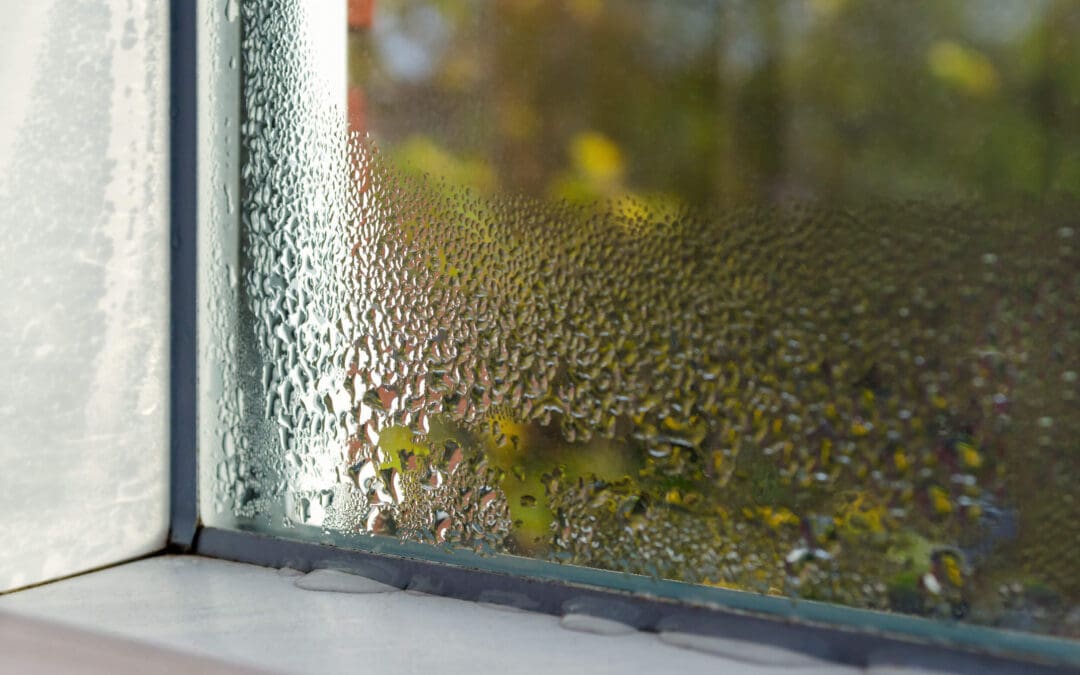
Condensation might seem like a minor nuisance, but left unaddressed, indoor condensation could lead to mold growth, damaged walls and ceilings, deteriorating window frames, and a range of respiratory health issues that affect the entire household. Knowing how to prevent condensation before it becomes a persistent problem is one of the most valuable things a homeowner can do to protect both their property and their family’s wellbeing throughout the year.
Understanding What Causes Condensation and How to Prevent It
Condensation occurs when warm, moisture-laden air comes into contact with a cooler surface, windows, walls, pipes, and ceilings being the most common culprits. The moisture in the air condenses into water droplets upon contact with cooler surfaces, creating the visible dampness most homeowners are familiar with. Everyday activities like cooking, showering, doing laundry, and even breathing all contribute to indoor humidity levels. Understanding that condensation is fundamentally a moisture and ventilation problem, rather than simply a temperature one, is the key to addressing it effectively.
Improve Ventilation Throughout Your Home
Ventilation is the most powerful tool available for managing indoor moisture levels. Running exhaust fans in the kitchen while cooking and in the bathroom during and after every shower removes humid air at the source before it has a chance to settle on cooler surfaces throughout the home. Opening windows regularly, even briefly during cooler months, allows fresh air to circulate and flush out stale, moisture-heavy air that builds up in a tightly sealed home. Ensuring that tumble dryers are properly vented to the outside rather than releasing warm, damp air into the home is another commonly overlooked but highly effective ventilation fix.
Prevent Condensation With the Right Heating Strategy
Maintaining a consistent indoor temperature throughout the home significantly reduces condensation risk. Cold rooms with poor air circulation are where condensation and mold most commonly establish themselves, as the surfaces in those spaces remain cool enough to cause moisture to drop out of the air consistently. Keeping all rooms at a reasonably consistent temperature, even at a lower setting in less-used spaces, prevents the dramatic surface temperature differentials that drive condensation.
Manage Indoor Humidity With the Right Equipment
When ventilation and heating adjustments alone aren’t sufficient, targeted equipment helps bring indoor humidity under control. A dehumidifier placed in the most affected areas of the home, typically bathrooms, kitchens, basements, and bedrooms, actively removes excess moisture from the air and can dramatically reduce condensation on windows and walls. Hygrometers, which measure indoor humidity levels, are inexpensive tools that take the guesswork out of managing moisture. The ideal indoor humidity range is generally between 40 and 60 percent. Keeping levels within that range provides a clear, measurable target for all of your condensation prevention efforts.
Prevent Condensation by Addressing Problem Areas Directly
Some areas of the home are more prone to condensation than others and benefit from targeted attention beyond general ventilation improvements. Single-glazed windows are a significant contributor to condensation; upgrading to double or triple glazing dramatically reduces the temperature differential between the glass surface and the indoor air, significantly cutting moisture buildup. Insulating cold water pipes prevents the pipe sweating that causes drips and moisture damage in utility areas. In particularly damp rooms, applying anti-condensation paint to walls and ceilings provides an additional layer of protection that helps surfaces stay drier even when humidity levels are elevated.
Homebuyer’s Inspection Service offers professional home inspection services in Dallas-Fort Worth and the surrounding areas. Contact us to request an appointment.