
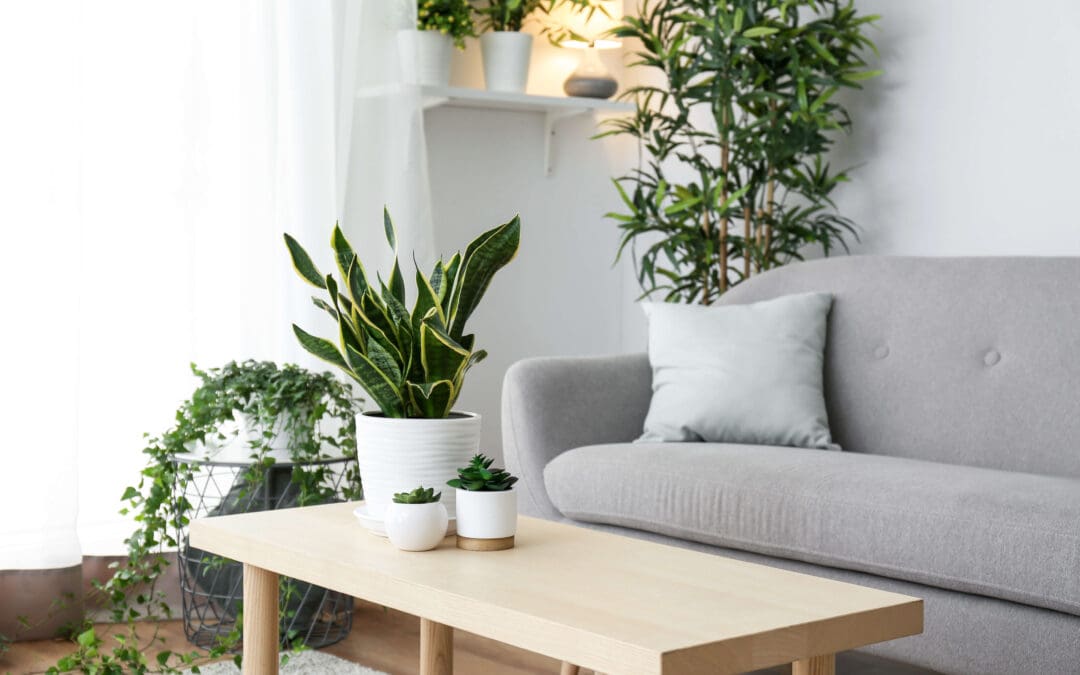
The connection between your home environment and your daily well-being is stronger than most people realize. Wellness at home isn’t just about having a clean house or a gym membership; it’s about the cumulative effect of the spaces you inhabit, the air you breathe, the light you’re exposed to, and whether your home is designed to support restoration and calm or to quietly undermine it. Small, intentional adjustments to how your home is organized, lit, and maintained can produce meaningful improvements in sleep quality, stress levels, energy, and mood.
The Environmental Factors That Shape Wellness at Home
Indoor air quality is one of the most underappreciated determinants of wellness at home. The air inside a typical home can contain higher concentrations of pollutants than outdoor air: dust mites, pet dander, volatile organic compounds from furniture and cleaning products, and mold spores all circulate through the HVAC system. Opening windows when outdoor air quality allows, using HEPA filtration, replacing HVAC filters regularly, and choosing low-VOC products when possible all contribute to the cleaner indoor environment that supports respiratory health and cognitive clarity. Natural light has a documented effect on circadian rhythm, mood, and sleep quality; most homes are significantly underlit by natural sources for much of the day. Maximizing natural light exposure during daylight hours, particularly morning light, which has the strongest effect on circadian rhythm, is one of the simplest adjustments available. Keeping window coverings open in frequently used rooms, positioning workspaces near windows, and choosing lighter treatments that diffuse rather than block light all improve the light environment without structural changes.
Creating Spaces That Support Wellness at Home
The organization and purpose of individual rooms affects wellness at home in ways that go beyond aesthetics. A bedroom that doubles as a workspace, a living room too cluttered to feel restful, and a kitchen organized in ways that make healthy cooking inconvenient all create subtle friction that accumulates into stress and undermines the restorative function that home is supposed to serve. Dedicating specific areas of the home to specific functions, even in smaller spaces, creates the psychological separation that helps the brain shift between modes. A designated corner for reading or quiet time, a kitchen organized to make fresh food preparation easy and visible, and a bedroom kept free of work-related items all support the mental transitions that genuine rest requires.
Bringing Nature In to Enhance Your Home
The research on biophilic design, the human tendency to respond positively to natural elements, consistently shows that incorporating natural materials, plants, and natural textures into the home environment reduces stress, lowers heart rate, and improves mood. Houseplants in frequently used rooms add living greenery that improves both air quality and psychological wellbeing. Natural materials, like wood, stone, linen, wool, create sensory warmth and texture that synthetic surfaces don’t replicate. Water features, even small tabletop versions, introduce the sound of moving water that research consistently associates with relaxation and stress reduction.
None of these wellness at home adjustments requires significant investment or professional help, they require intention, observation of how your current space makes you feel, and the willingness to make small changes that accumulate into a meaningfully more supportive home environment.
Homebuyer’s Inspection Service offers professional home inspection services in Dallas-Fort Worth and the surrounding areas. Contact us to request an appointment.